
Free West Village, Greenwich Village, and SoHo News: Delivered To Your Inbox
The Village sells itself on crooked streets and brick townhouses, SoHo on cast-iron facades and cobblestones, and both on bars that have been pouring since before your grandparents were born. But this stretch of downtown has spent 200 years piling up the kind of history that ghost stories are made of, and a surprising number of those stories are anchored to places you can walk past, drink in or (in one case) shop in today. Here’s a rundown of the spots with the most persistent reputations, along with what actually happened at each of them.
Washington Square Park
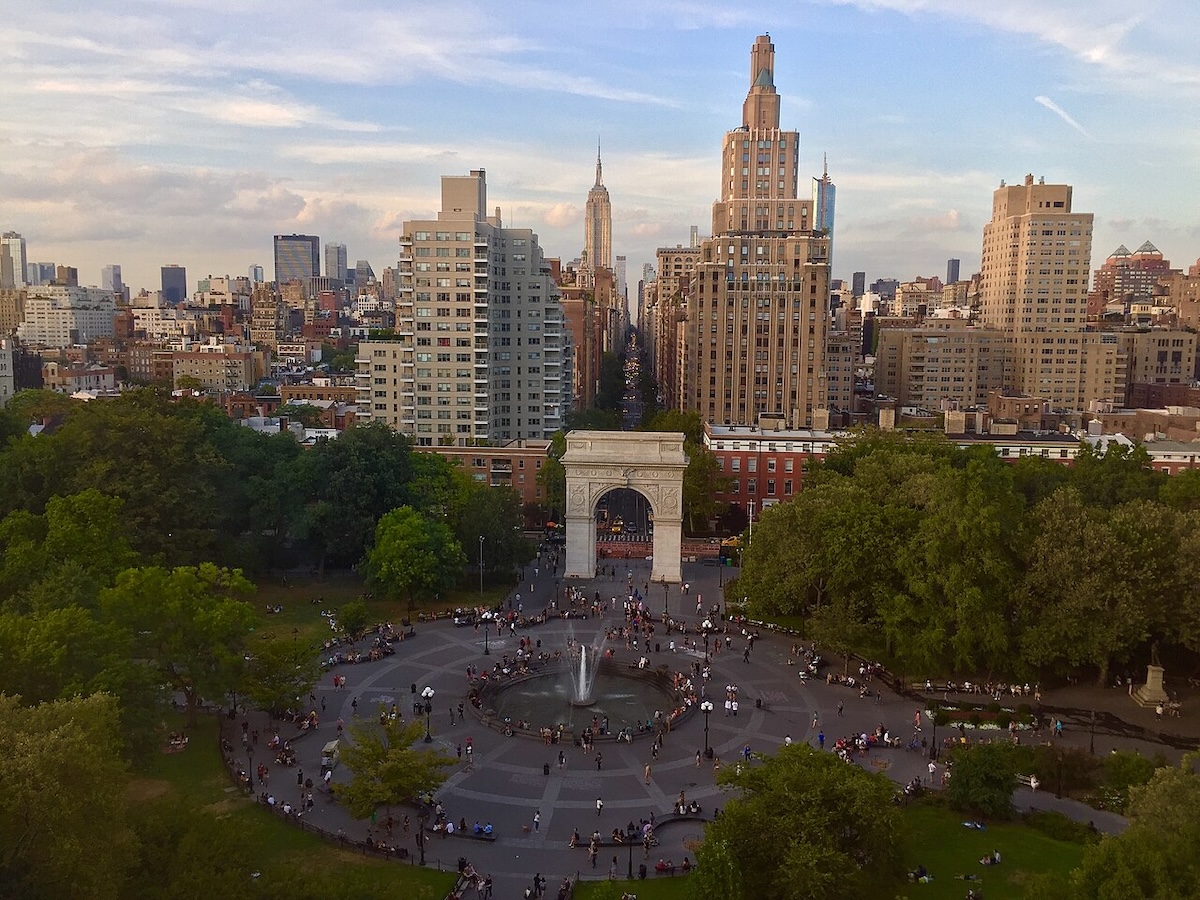
Photo: Isabella Ruffalo-Burgat via Wikimedia Commons
Before it was a park, it was a potter’s field. From the late 1700s into the 1820s, the city buried its poor, its unclaimed and its yellow fever victims here, and estimates run to about 20,000 people still under the lawns and pathways. Construction crews have turned up remains more than once over the years. The park’s other claim to spookiness is the English elm in the northwest corner, nicknamed the Hangman’s Elm and considered the oldest living tree in Manhattan. Whether anyone was actually hanged from it is debated by historians, but the legend has stuck, and the park has been the starting point for Bowery Boys podcasts and half the ghost tours in Manhattan for a reason.
The House of Death, 14 West 10th Street
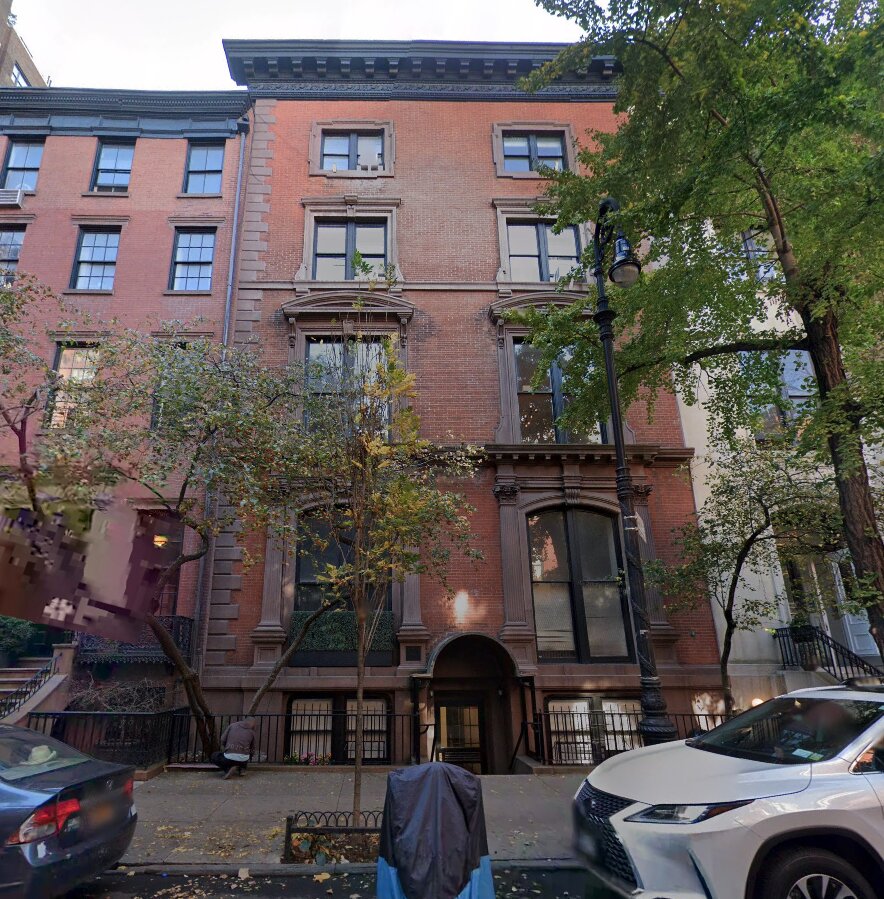
Google Maps
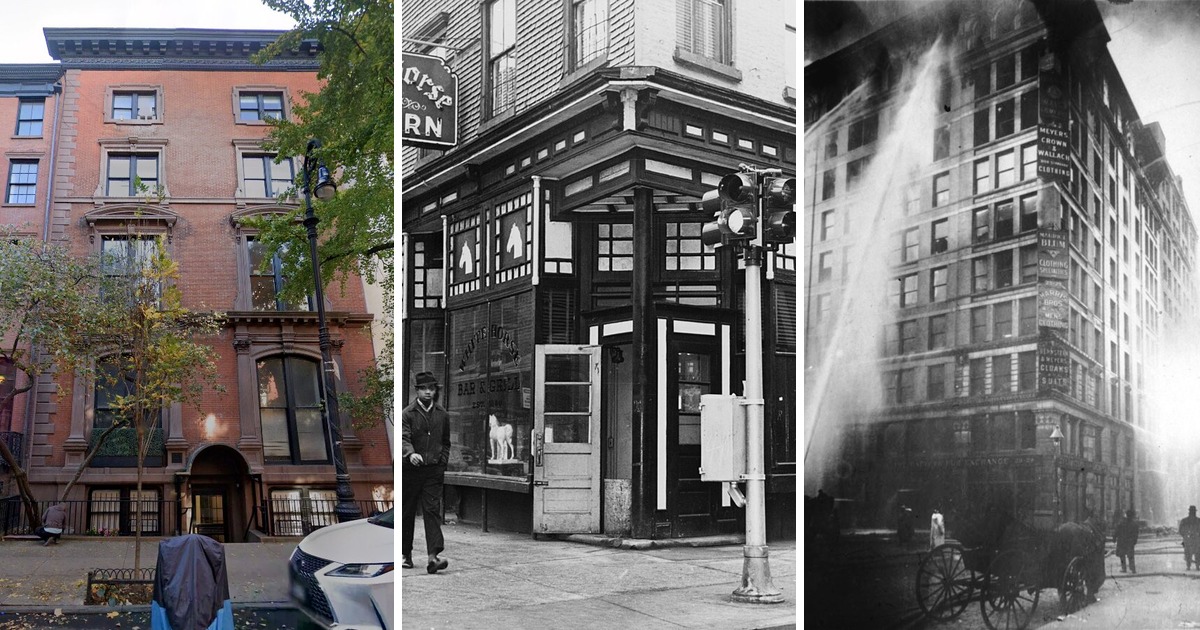
The Greek Revival townhouse between Fifth and Sixth avenues is, by reputation, the most haunted house in the neighborhood, with as many as 22 spirits said to be in residence. Its most famous former tenant is Mark Twain, who lived there from 1900 to 1901. A mother and daughter living in the building in the 1930s later claimed a white-haired man appeared in their living room, introduced himself as Clemens, said he had a problem to settle and vanished. In the late 1950s, actress Jan Bryant Bartell moved into the top-floor apartment and wrote a whole memoir, “Spindrift: Spray from a Psychic Sea,” about the shadows, smells and presences she said she encountered there. The house’s darkest chapter isn’t supernatural at all: in 1987, attorney Joel Steinberg beat six-year-old Lisa Steinberg to death in a second-floor apartment, a case that horrified the city and cemented the nickname. Village Preservation has a good history of the building. It’s a private residence, so admire it from the sidewalk.
One if by Land, Two if by Sea, 17 Barrow Street
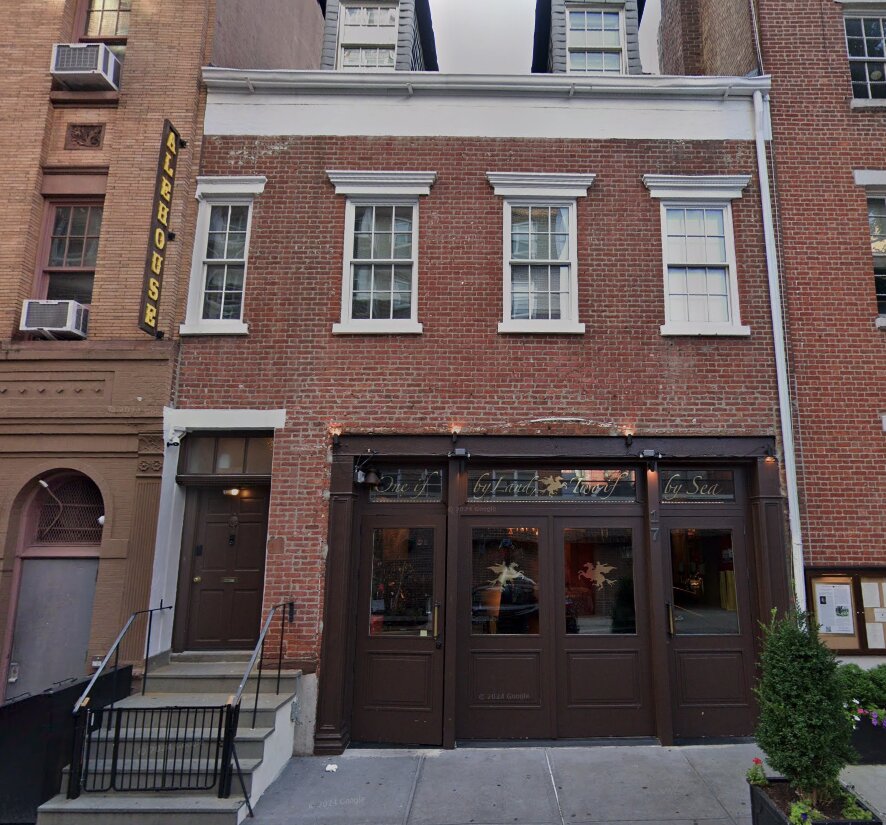
Google Maps
The restaurant known mostly for marriage proposals occupies a carriage house built in 1767 that Aaron Burr used for his horses and coach in the 1790s. The ghost story attached to it belongs to his daughter, Theodosia, who boarded a ship from South Carolina in early 1813 to visit her father in New York and was never seen again. Staff and diners have blamed her for years for women’s earrings going missing at the bar, while Burr himself gets credit for the plates that fall and the pictures that tilt. One maître d’ reportedly quit after being shoved on the staircase night after night by something nobody could see. The building has been a restaurant since 1973, and NY Ghosts runs through the full Burr family saga.
White Horse Tavern, 567 Hudson Street
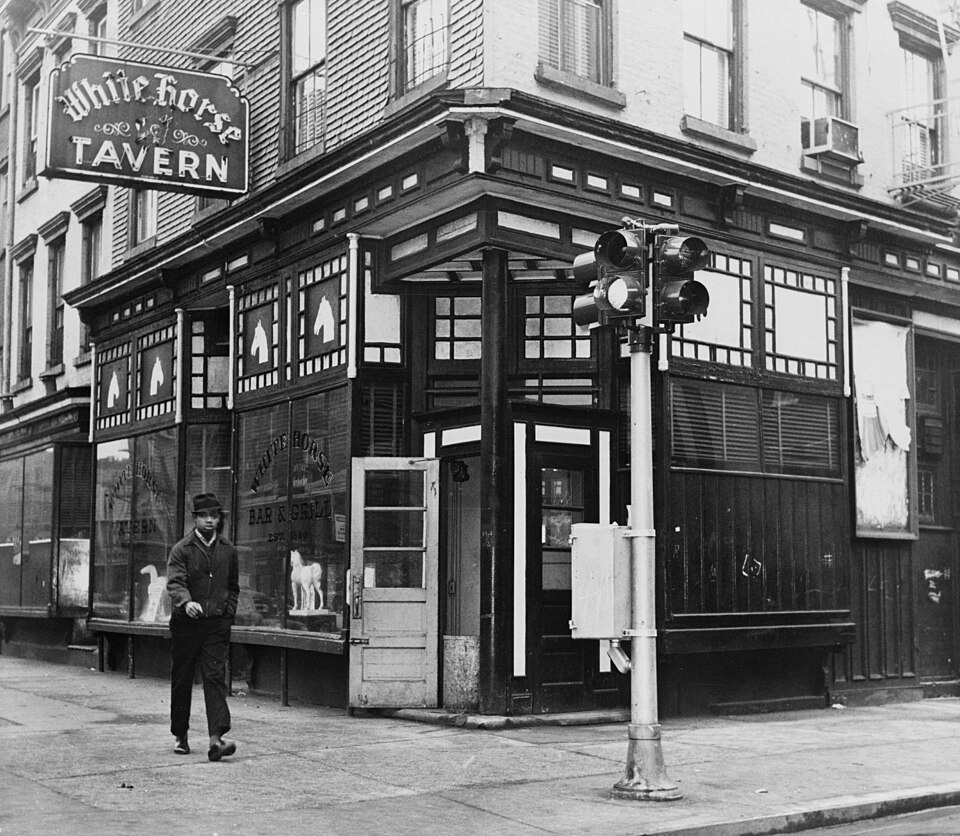
New York World-Telegram and the Sun staff photographer: Twachtman, Phyllis, photographer., Public domain, via Wikimedia Commons
The bar at the corner of West 11th Street opened in 1880 for longshoremen off the Hudson piers and became a writers’ hangout in the 1950s. On Nov. 3, 1953, Welsh poet Dylan Thomas drank here, staggered back to the Chelsea Hotel bragging that he’d put away 18 straight whiskies, collapsed and died a few days later at St. Vincent’s Hospital a few blocks away. Regulars and staff have said for decades that he still turns up at his favorite table, and that he’s been known to spin it around. The city’s own Department of Records includes the tavern on its list of haunted buildings.
Chumley’s, 86 Bedford Street
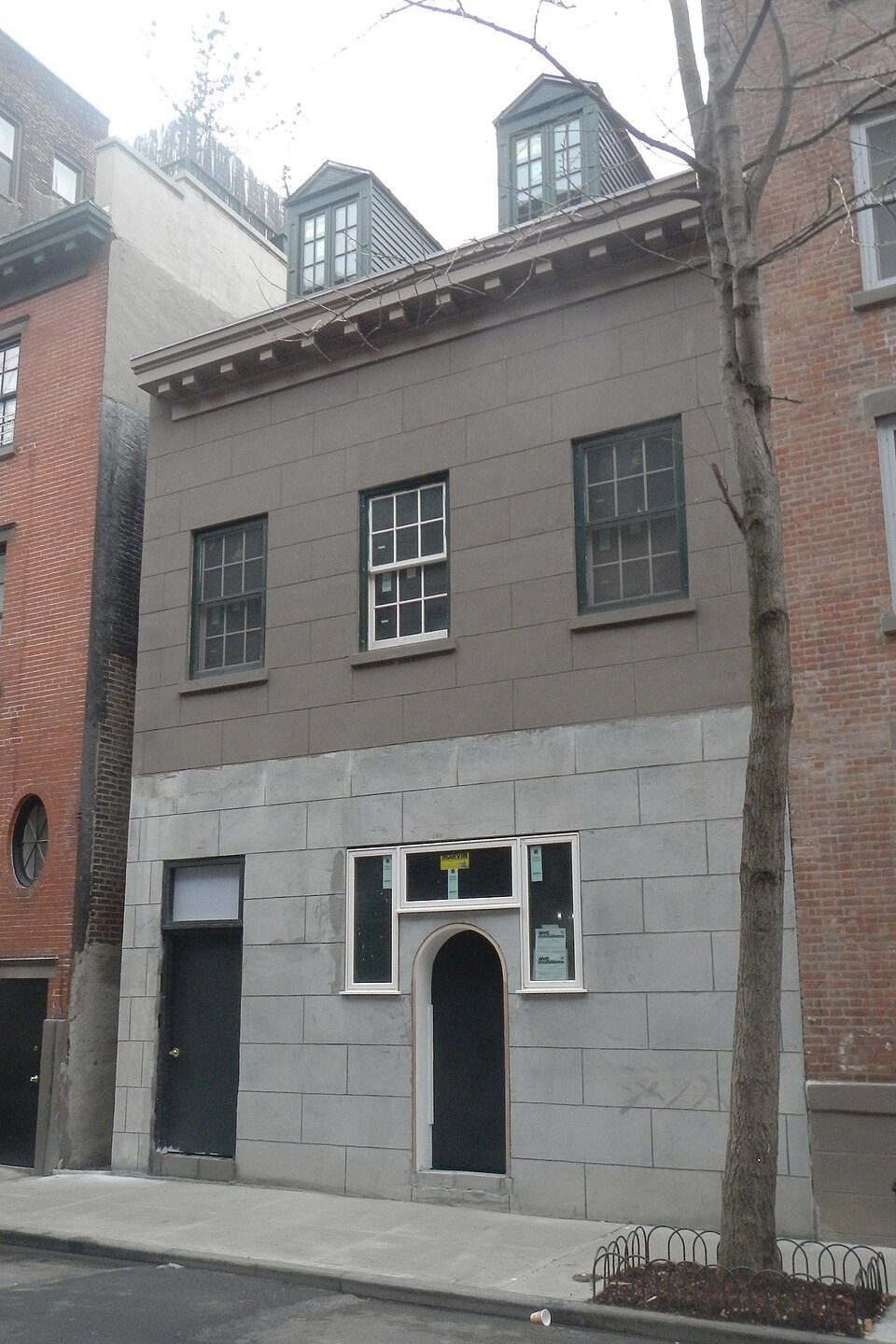
Photo: Jim.henderson via Wikimedia Commons
The unmarked former speakeasy is where the phrase “86’d” supposedly comes from, and the woman who ran the place for decades apparently never left. Henrietta Chumley is said to show up at the bar for a Manhattan and to fiddle with the jukebox. The restaurant that took over the space (The Eighty Six) has opened and closed more than once in recent years, so check before you go looking for her.
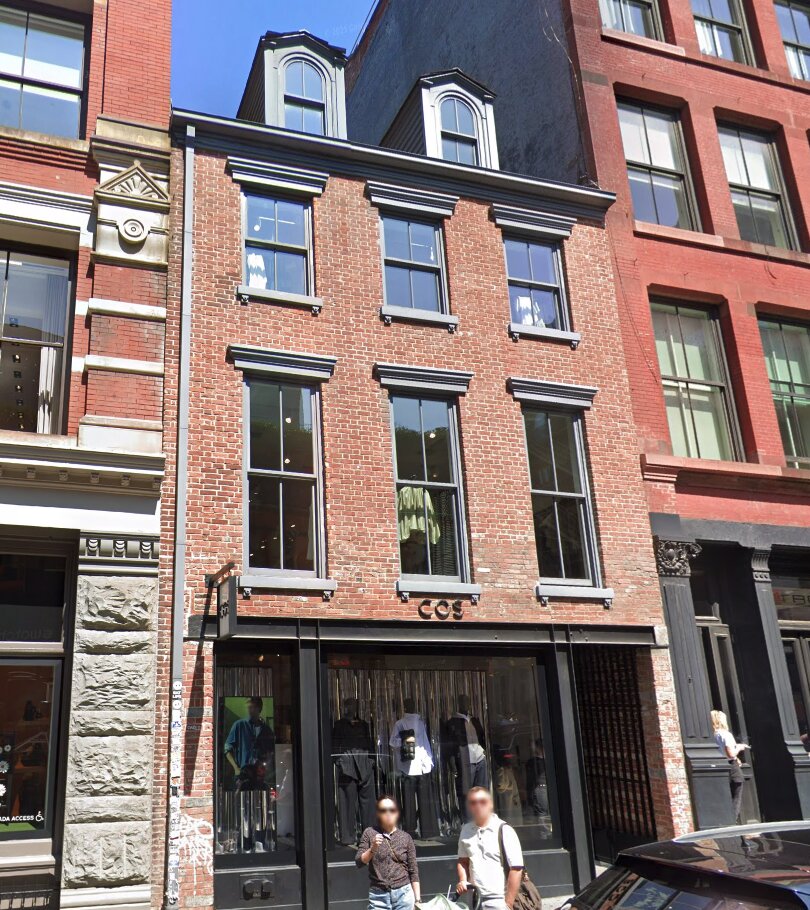
The Manhattan Well, 129 Spring Street
Google Maps
This is the oldest murder story on the list. In December 1799, 22-year-old Gulielma “Elma” Sands left her Greenwich Street boardinghouse and vanished. Her body turned up days later at the bottom of a well in what was then Lispenard’s Meadow. Her suitor, Levi Weeks, was tried for the killing and acquitted after a defense by Alexander Hamilton and Aaron Burr, working together for once. Nobody else was ever charged. The well survived, and it now sits in the basement of a retail space on Spring Street, where employees over the years have reported crashing plates and flying bottles. Untapped New York and others have chronicled the Village’s stranger corners for years, and the well ranks near the top.
The Ear Inn, 326 Spring Street
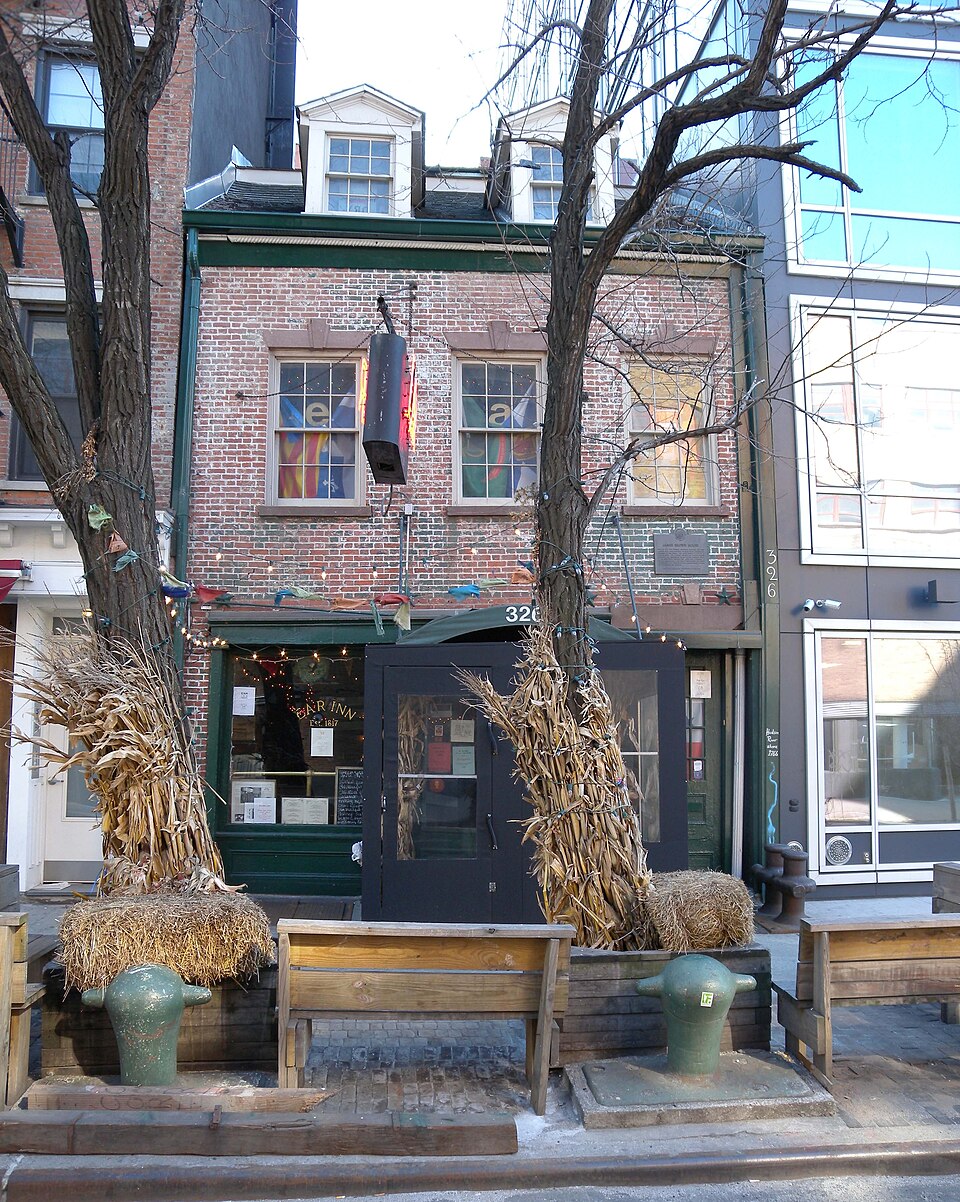
Photo: Jim.henderson via Wikimedia Commons
The Federal-style house near the river was built around 1770 for James Brown, a Black Revolutionary War veteran, and it’s been serving drinks since about 1817. Its resident ghost is a sailor named Mickey, who boarded upstairs when the building was a rooming house and was killed by a car out front in the early 1900s. He’s blamed for draining patrons’ drinks when they aren’t looking.
The Brown Building, Greene Street and Washington Place
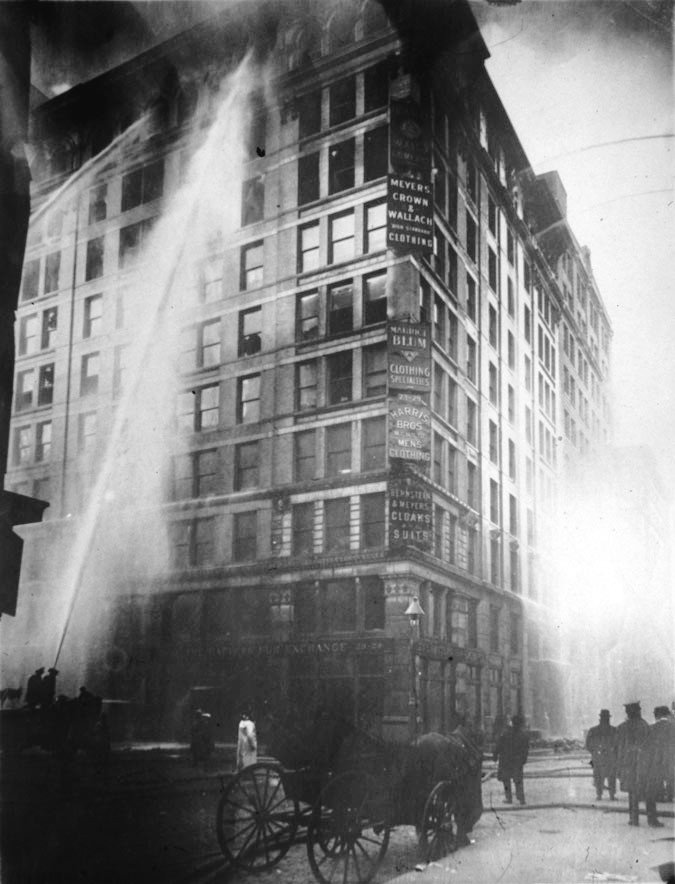
public domain
Now an NYU building, this was the Asch Building in 1911, when a fire on the upper floors of the Triangle Shirtwaist Factory killed 146 garment workers, most of them young immigrant women, many of whom jumped rather than burn. Locked doors and a collapsed fire escape made it one of the deadliest workplace disasters in the country’s history and reshaped labor law. Ghost tours stop here, but the plaques on the corner and the annual memorial are the more honest way to remember what happened.